
AniNami: space, science and discovery documentaries, from Apollo and the Mars rovers to MythBusters, Horizon, Wonders of the Solar System and the story of maths, and where to watch them
Documentary
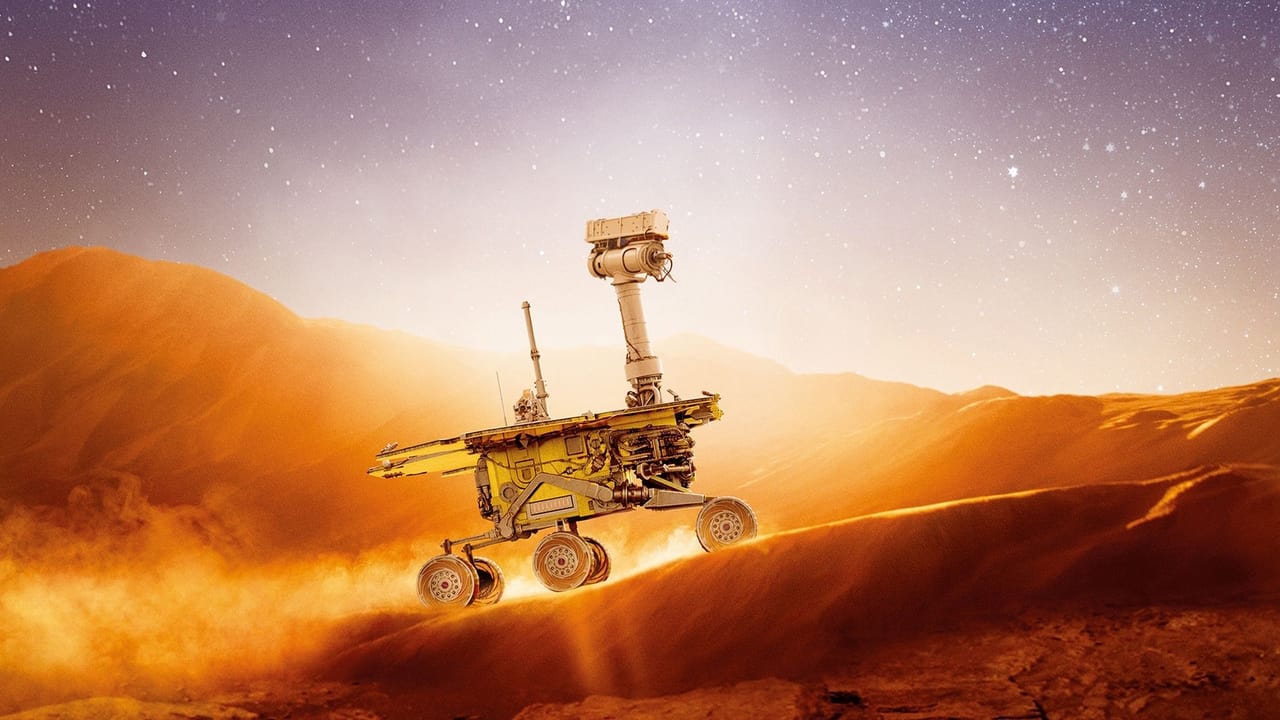
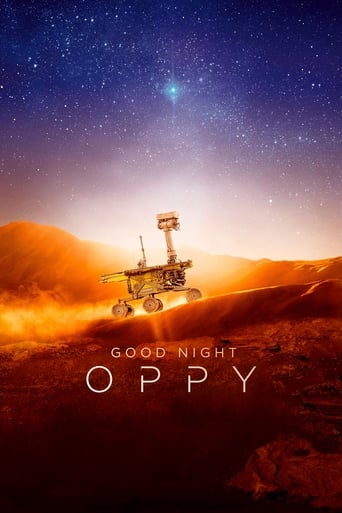
The inspirational true story of Opportunity, a rover that was sent to Mars for a 90-day mission but ended up surviving for 15 years. Follow Opportunity’s groundbreaking journey on Mars and the remarkable bond forged between a robot and her humans millions of miles away.
217 science documentaries: 78 series and 139 films about the Moon and Mars, the universe, engineering and inventions, ancient worlds, maths and physics, and Earth's wild weather. Search a title and press Watch now.




› The AniNami guide
AniNami: space, science and discovery documentaries, from Apollo and the Mars rovers to MythBusters, Horizon, Wonders of the Solar System and the story of maths
Every great science documentary begins with a question. How did the universe begin? How do you land a rover on Mars? Why does a jumbo jet stay in the air? Who built the pyramids, and how? The best films and series answer these questions with pictures, experiments and stories that make even the hardest ideas feel exciting, and they are among the most rewarding things a family can watch together. AniNami gathers 217 space, science and discovery documentaries made between 1956 and 2026, 78 series and 139 films, each with its own page, its story, year, running time or episode list, and a Watch now button that leads to the official services carrying it in your country.
The catalogue has been chosen by hand for curious minds of every age. It runs from the space films Walt Disney made for television in the fifties to the newest pictures from the James Webb Space Telescope, and from the Apollo missions to the Perseverance rover. There are giant structures and supersonic jets, ancient tombs and Renaissance inventions, the story of numbers and the strange world of quantum physics, volcanoes and storms, and the great presenters who have made science shine on screen, from Carl Sagan and Richard Feynman to Brian Cox and Hannah Fry.
Those themes form the shelves. The Moon and Mars holds 72 titles, Universe and stars 87, Engineering and inventions 90, Ancient worlds 19, Maths and physics 53, Earth and weather 22, Brian Cox 11 and Great presenters 52. Two format shelves split the catalogue into Documentary series and Feature films, the decade shelves trace the story through time, with 30 titles from before 2000, 36 from the 2000s, 110 from the 2010s and 41 from 2020 onward, and a Top rated shelf picks out the titles audiences have scored most highly.
AniNami is for anyone who loves to learn: children who dream of becoming astronauts, teenagers studying physics, parents who remember watching the Moon landings or the first space shuttle, and grandparents who grew up with Horizon. The guides below suggest where to begin, which titles suit which ages and how to plan a science night at home.
How AniNami looks
AniNami takes its look from the modern anime and manga app whose name it shares, a sleek, dark design built around big pictures and bold type. The page is almost black, and a slim top bar holds the ANINAMI wordmark, its first three letters solid white and the last four drawn in outline, beside a small pill switch whose active half glows lavender. A rounded dark search field sits in the centre of the bar, with the menu, a heart for My List and a menu button for phones at the edges.
The home page opens with a large featured card stretching across the screen. A soft, blurred picture fills it, a small Featured badge sits at the top left and a gold score ring at the top right. Across the lower half comes the featured title in huge, heavy white letters, a lavender line beneath it, a meta line with the type, year, length and studio, two outline genre pills in gold and pink, a short story and three buttons: a glowing lavender Watch now, a dark Details button and a round heart. Thin slide dashes and a small counter sit at the bottom right.
Below the card, centred tabs for Trending, Popular and Top rated lead into a wide poster grid. Each poster has softly rounded corners, and beneath it a small grey dot leads the title in white, followed by the studio in grey and a tiny meta line with the type, year, length and score. To the right runs a Most viewed column of small dark cards, each with a thumbnail, a title and the same meta line, followed by the shelves and the guides. On a phone the column moves below the grid, the posters arrange themselves in rows of three or two, and the featured card shrinks to fit.
Using the site
There are several ways into the catalogue. The search field in the top bar finds any title as you type: try Apollo, Mars, Egypt, Hawking or bridge. The links in the bar open the whole catalogue, the series, the films, the Moon and Mars shelf and the A to Z list, and the lavender pill switch jumps straight to the space shelf or the maths and physics shelf.
Every title page shows the poster, the story, the year, the running time or the full list of seasons and episodes, the presenters and narrators where TMDB lists them, and the studio or broadcaster. For series, every episode is listed in order with its number and the date it first aired. The Watch now button sits near the top of every page, and Add to My List keeps the title in your browser for later.
Space on television
The space documentary is almost as old as the space age. In the mid-fifties, before the first satellite had been launched, Walt Disney asked the animator Ward Kimball to make a series of television programmes about space travel with the help of real rocket scientists. Mars and Beyond, from 1957, is one of them, a lively mix of animation, humour and science that imagines how people might one day travel to the red planet. Around the same time, the director Frank Capra made Our Mr. Sun, one of a celebrated series of science films sponsored by Bell Telephone, which explains how the Sun works with a friendly scientist, an animated narrator and plenty of wit.
In 1975 the actor Orson Welles presented Who's Out There?, in which scientists including Carl Sagan consider whether life exists elsewhere in the universe, and in 1988 God, the Universe and Everything Else brought Stephen Hawking, Arthur C. Clarke and Carl Sagan together for a conversation about the Big Bang and the future of the cosmos. These older films are wonderful time capsules, showing how much we have learned and how the big questions have stayed the same.
The Apollo story
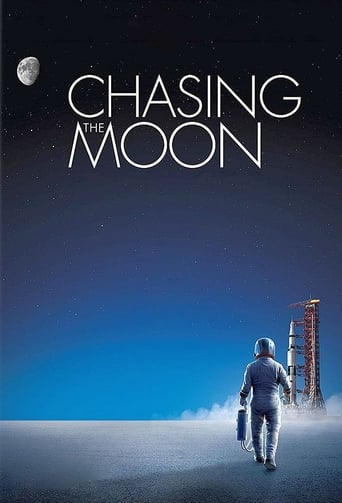
The Moon landings remain one of the greatest adventures in human history, and the catalogue tells the story from many angles. Chasing the Moon, a three-part series, follows the whole decade-long race to the Moon, from the first satellites to Apollo 11, using archive film that had rarely been seen. Mission Control: The Unsung Heroes of Apollo tells the story of the young engineers and flight controllers in Houston who guided the astronauts, many of them only in their twenties.
Armstrong is the life story of Neil Armstrong, from his childhood in Ohio to his first step on the Moon, with Harrison Ford reading from Armstrong's own words, and Moonwalk One, made in 1970, captures the launch of Apollo 11 and the mood of the world that watched it. First to the Moon follows the crew of Apollo 8, the first people to orbit the Moon, 13 Factors That Saved Apollo 13 explains how the crew of Apollo 13 came safely home, and Apollo 17: The Untold Story of the Last Men on the Moon follows the final mission in December 1972.
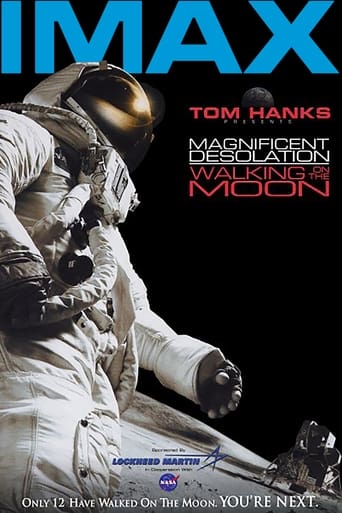
Magnificent Desolation: Walking on the Moon, a giant-screen film produced by Tom Hanks, recreates the experience of walking on the lunar surface, and James May on the Moon follows the television presenter as he meets Apollo astronauts and trains like one. The Wonder of It All and When We Were Apollo let the astronauts and engineers tell their own stories.
Living in orbit
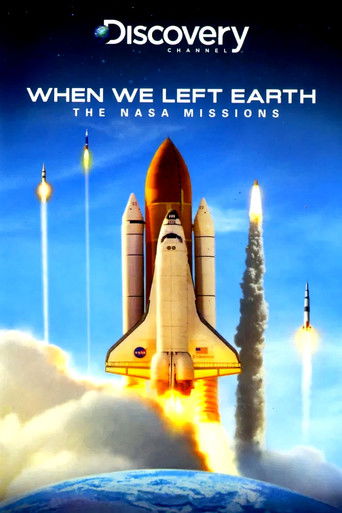
After Apollo came the age of the space shuttle and the space station, and some of the most beautiful films in the catalogue were shot by astronauts in orbit using enormous IMAX cameras. The Dream Is Alive, narrated by Walter Cronkite, takes viewers aboard the shuttle in 1985, Destiny in Space, narrated by Leonard Nimoy, follows the repair of the Hubble Space Telescope, and Mission to Mir visits the Russian space station during the years when American and Russian astronauts first worked together.
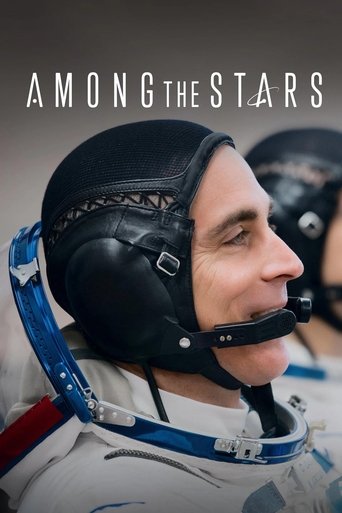
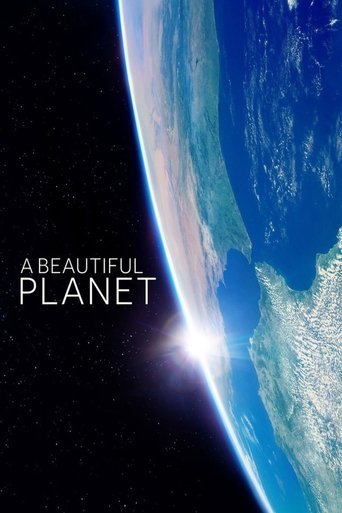
Space Station 3D, narrated by Tom Cruise, follows the assembly of the International Space Station, and A Beautiful Planet, narrated by Jennifer Lawrence, looks back at the Earth from the station's windows. A Year in Space follows the astronaut Scott Kelly through nearly a year aboard the station, Among the Stars follows a NASA astronaut on a spacewalking mission, and Countdown: Inspiration4 Mission to Space follows the first crew of private citizens to orbit the Earth.
The red planet
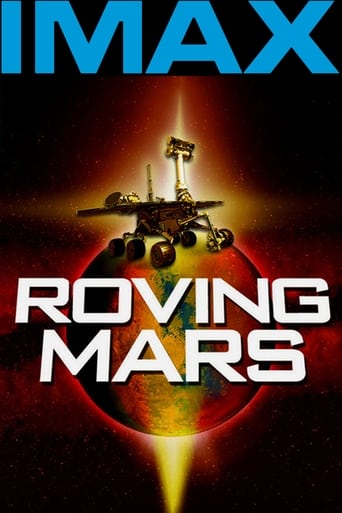
Mars has fascinated people for centuries, and its robot explorers have become heroes in their own right. Good Night Oppy tells the story of Opportunity, a rover sent to Mars in 2004 for a ninety-day mission that kept exploring for nearly fifteen years, and it is one of the most moving films on AniNami, a story of friendship between engineers and a machine millions of miles away. Roving Mars, a giant-screen film narrated by Paul Newman with music by Philip Glass, follows Opportunity and its twin Spirit from the laboratory to the Martian surface, and Expedition Mars: Spirit & Opportunity tells their story again with new pictures.
Built for Mars: The Perseverance Rover goes behind the scenes at NASA's Jet Propulsion Laboratory as the newest rover is built and tested, Brian Cox: Seven Days on Mars follows its search for signs of ancient life, and Mars: One Day on the Red Planet builds a whole Martian day from real satellite and rover data. The Mars Generation follows teenagers at Space Camp who hope to be among the first people on Mars, and Passage to Mars follows a team of explorers driving across the Arctic to prepare for Martian expeditions.
The universe and the stars
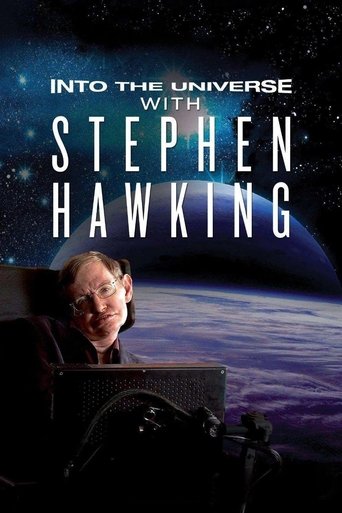
The Universe and stars shelf holds 87 titles about the biggest subject of all. How the Universe Works, which has run for more than ten seasons, explains stars, galaxies, planets and black holes with clear narration and spectacular computer graphics, and it is one of the best places to begin. Through the Wormhole, hosted by Morgan Freeman, explores the deepest questions of existence, from the nature of time to the possibility of life elsewhere, and Into the Universe with Stephen Hawking lets the great physicist guide viewers from the Big Bang to the far future.
For a single evening, A Brief History of Time, directed by Errol Morris in 1991, tells the story of Stephen Hawking's life alongside his ideas about the universe, and Cosmic Voyage, a giant-screen film narrated by Morgan Freeman and nominated for an Academy Award, zooms from the smallest particles to the largest structures in the cosmos in a single breathtaking journey. A Trip to Infinity uses animation from artists in many countries to ask whether infinity really exists, and Timelapse of the Future: A Journey to the End of Time travels trillions of years into the future.
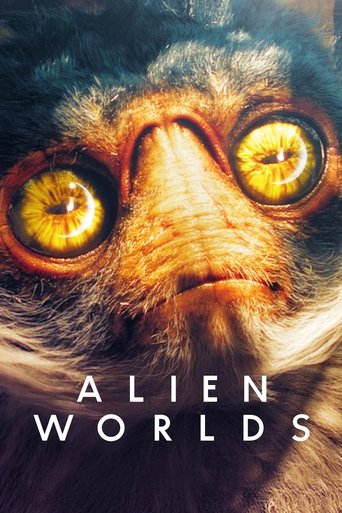
Alien Worlds applies the laws of life on Earth to imagine creatures on distant planets, Search for Second Earth follows the search for another planet like ours, and Journey to the Pale Red Dot tells the story of the discovery of a planet orbiting our nearest neighbouring star. The Elegant Universe and The Fabric of the Cosmos, presented by the physicist Brian Greene, explain string theory, space and time with wit and imagination.
Black holes and telescopes
Black holes are among the strangest objects in nature, and several films follow the scientists who study them. Black Holes: The Edge of All We Know follows two remarkable teams at once: Stephen Hawking and his colleagues working on the mathematics of black holes, and the astronomers of the Event Horizon Telescope, who linked observatories around the world to take the first picture of a black hole, released in 2019. Black Hole Hunters and How to See a Black Hole: The Universe's Greatest Mystery tell the same thrilling story, and Black Hole Apocalypse and Monster Black Holes explore how black holes shape galaxies.
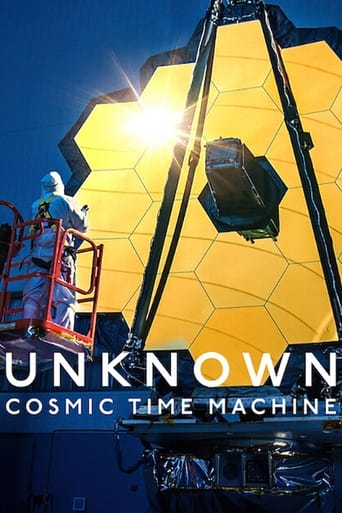
Telescopes are the heroes of astronomy, and the catalogue celebrates them from Galileo to today. 400 Years of the Telescope and Eyes on the Skies follow the instrument's history, Telescope looks ahead to the James Webb Space Telescope, and Hubble: Thirty Years of Discovery celebrates the space telescope launched in 1990. Unknown: Cosmic Time Machine, Ultimate Space Telescope and Beyond Hubble: Launching the Telescope of Tomorrow follow the building and launch of the James Webb Space Telescope, which left the Earth on Christmas Day 2021, and Messengers visits three telescopes buried deep underground to catch tiny particles from space.
Planets and moons
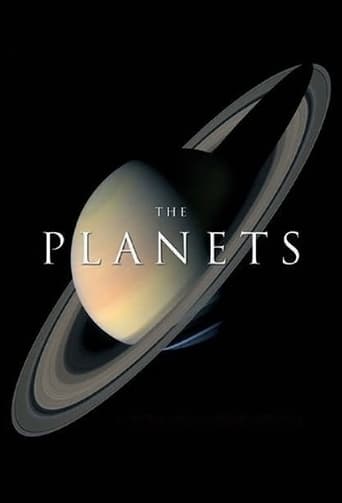
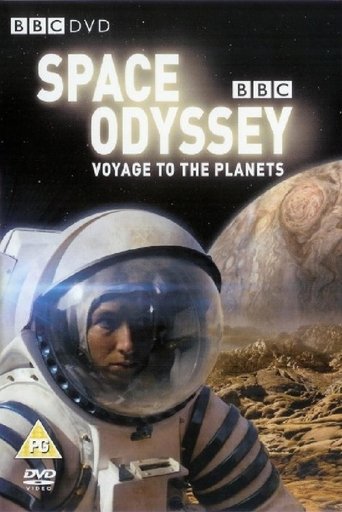
Our own solar system has plenty of wonders. The Planets, a BBC series from 1999, traces humanity's exploration of the planets with the scientists who made it happen, and The Planets and Beyond, A Traveler's Guide to the Planets and Space Odyssey: Voyage to the Planets visit every world in turn, the last imagining a crewed voyage from Venus to Pluto. Kingdom of Saturn: Cassini's Epic Quest, Death Dive to Saturn and Goodbye Cassini - Hello Saturn follow the Cassini spacecraft's thirteen-year exploration of Saturn and its rings.
BBC Horizon: Jupiter Revealed presents the discoveries of the Juno mission at the largest planet, Venus: Death of a Planet asks how Earth's twin became so hot, Pluto and Beyond follows the New Horizons spacecraft to the edge of the solar system, and Wonders of the Moon follows the monthly cycle of our nearest neighbour.
Brian Cox
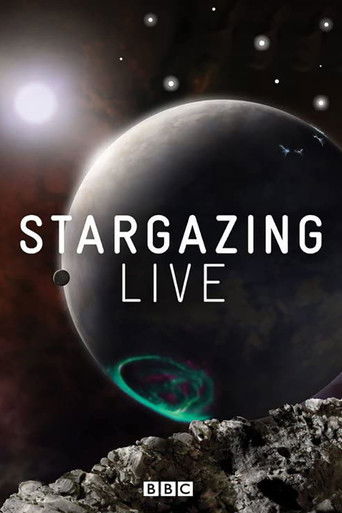
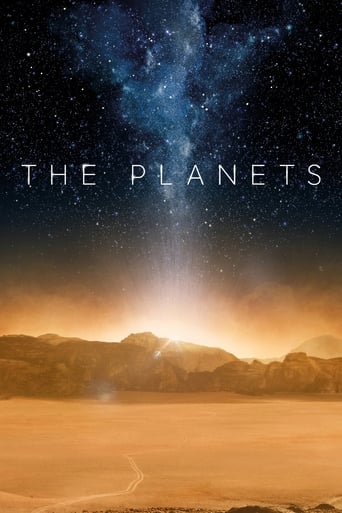
Few presenters have done more to make astronomy popular than Professor Brian Cox, a particle physicist at the University of Manchester whose enthusiasm is impossible to resist. Wonders of the Solar System, from 2010, visits extreme places on Earth to explain how the laws of physics shape the planets, and Wonders of the Universe, from 2011, does the same for stars and galaxies. Human Universe asks what makes our species special, and Stargazing Live, which he presented with the comedian Dara Ó Briain from the Jodrell Bank Observatory, invited millions of viewers to look up at the night sky.
His later series, The Planets, Universe and Solar System, combine his storytelling with stunning effects, and Brian Cox: Seven Days on Mars gives him unique access to the Perseverance mission. The Brian Cox shelf gathers them together with the other titles that feature him.
Stephen Hawking
Stephen Hawking was one of the most famous scientists of modern times, and his ideas run through the catalogue. Alongside A Brief History of Time and Into the Universe with Stephen Hawking, Stephen Hawking's Grand Design asks why the universe exists at all, Brave New World with Stephen Hawking looks at the science shaping the twenty-first century, Stephen Hawking and The Theory of Everything revisits his work twenty years after his famous book, and Einstein and Hawking: Unlocking the Universe compares two of the greatest physicists in history.
Engineering and inventions
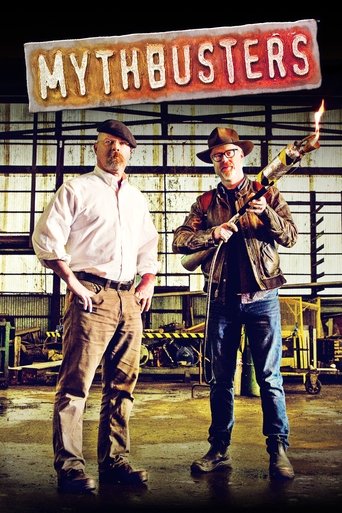
The Engineering and inventions shelf is the largest on AniNami, with 90 titles about the machines, buildings and inventions that shape modern life. MythBusters, which ran from 2003 to 2018, is the most famous of them: the special-effects experts Adam Savage and Jamie Hyneman, with their build team, tested myths, movie scenes and urban legends with careful experiments and spectacular results, and the series taught a generation that science is about asking questions and testing the answers. Its 272 episodes make it a perfect companion for a whole year of family viewing.
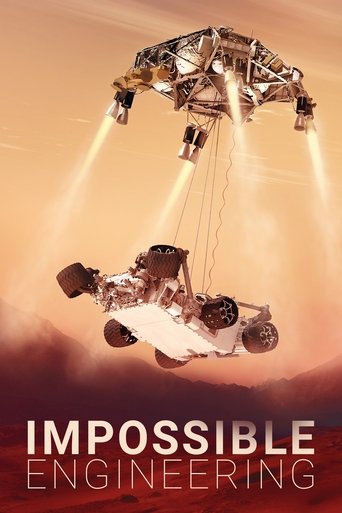
Modern Marvels, which began in 1993, celebrates the ingenuity behind everything from bridges and dams to chocolate and the toilet, and it is one of the longest-running series of its kind. Extreme Engineering and Impossible Engineering visit the world's most ambitious construction projects, from skyscrapers to undersea tunnels, and Richard Hammond's Engineering Connections and Richard Hammond's Big show how inventions from the past made great modern structures possible. Abandoned Engineering explores the fascinating stories of structures left behind, and Incredible Engineering Blunders: Fixed follows engineers who put things right.
The Secret Life of Machines, made in Britain between 1988 and 1993, is a cult classic: the engineer and cartoonist Tim Hunkin and his friend Rex Garrod take everyday machines apart, from the vacuum cleaner to the fax machine, and explain how they work with cartoons, humour and homemade experiments. It remains one of the clearest and most charming introductions to technology ever made.
Inventors and their ideas
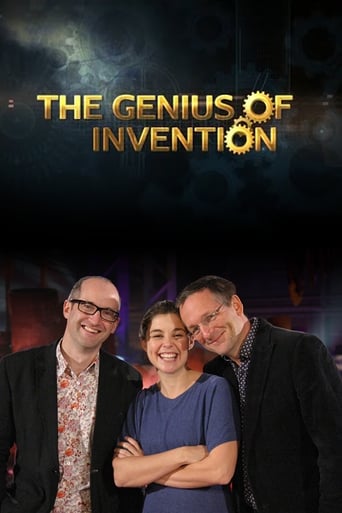
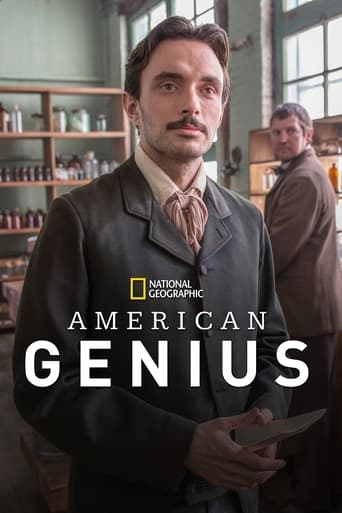
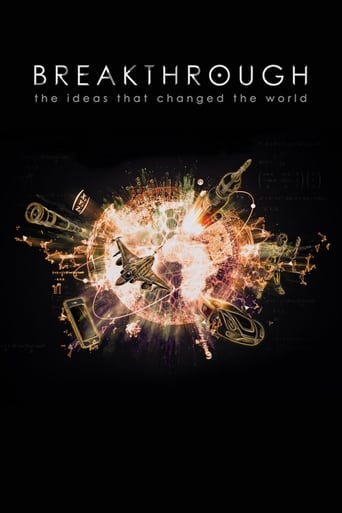
Behind every invention stands an inventor, and several films tell their stories. American Genius pairs great rivals, such as Edison and Tesla or the Wright brothers and Glenn Curtiss, and The Genius of Invention follows the inventions that brought power, transport and communication into our homes. Breakthrough: The Ideas That Changed the World tells human history through six everyday objects, and The Machines That Built America and The Food That Built America follow the inventors and businesses behind the radio, the aeroplane, the tractor and the breakfast cereal.
Nikola Tesla: The Genius Who Lit the World tells the story of the visionary engineer behind alternating current, SlingShot follows the inventor Dean Kamen as he works on a machine to make clean drinking water for the world, and The Invention of Dr. NakaMats meets a Japanese inventor who claims thousands of patents. Mechanical Marvels: Clockwork Dreams tells the story of the extraordinary automata of the eighteenth century, mechanical figures that could write, draw and play music, and The Rock-afire Explosion follows the inventor of an animatronic band that delighted children at pizza restaurants in the eighties.
Young inventors are celebrated too. More Than Robots follows four teams of teenagers from around the world as they prepare for the FIRST Robotics Competition, and Beautiful Young Minds follows young mathematicians competing at the International Mathematical Olympiad.
Flight and travel
Aviation has its own fan club in the catalogue. Concorde: A Supersonic Story is told by the people whose lives the elegant supersonic airliner touched, 747: The Jumbo Revolution celebrates the jumbo jet that made long-distance travel affordable for millions, and Airbus vs Boeing: The Jumbo Jet Race tells the story of the rivalry between the two great aircraft makers. Living in the Age of Airplanes, narrated by Harrison Ford, invites viewers to marvel at the everyday miracle of flight, and One Six Right, by the same filmmaker, celebrates the local airport through the life of one runway in California.
The White Diamond, by the filmmaker Werner Herzog, follows an English engineer as he flies a small airship over the rainforest of Guyana, Flying the Feathered Edge: The Bob Hoover Project tells the story of one of the greatest aerobatic pilots who ever lived, and City in the Sky reveals what it takes to keep more than a million people in the air around the world at any one time. On the ground, The Tube: Going Underground goes behind the scenes of the London Underground, and How Britain Worked follows the motorcycle racer and engineer Guy Martin as he restores machines from the Industrial Revolution.
The great presenters
A science documentary is only as good as its storyteller, and the Great presenters shelf gathers 52 titles led by memorable guides. Alongside Brian Cox and Stephen Hawking, there is Richard Feynman, the Nobel Prize-winning physicist whose playful Fun to Imagine shows him explaining magnets, rubber bands and the jiggling of atoms from an armchair. Bill Nye: Science Guy follows the presenter of the beloved children's series as he campaigns for science and works on a solar sail spacecraft.
From Britain come the physicist Jim Al-Khalili, whose Atom, Order and Disorder, Light and Dark and The Secrets of Quantum Physics explain the foundations of physics with great clarity; the mathematician Hannah Fry, whose Magic Numbers: Hannah Fry's Mysterious World of Maths, The Joy of Data and The Joy of Winning make numbers fun; and James May, whose James May's 20th Century and James May's Things You Need To Know answer questions with good humour. The archaeologist Alice Roberts, the Egyptologist Joann Fletcher and the naturalist Chris Packham appear on other shelves.
Ancient worlds
The Ancient worlds shelf brings archaeology and history to life. Ancient Egypt is its greatest star: Lost Treasures of Egypt follows international teams of Egyptologists as they excavate tombs, temples and workshops, season after season, and Immortal Egypt with Joann Fletcher travels the length of the Nile to tell the whole story of the civilisation over five thousand years. Treasures of Ancient Egypt, presented by the art critic Alastair Sooke, tells the story through thirty extraordinary works of art.
Queens of Ancient Egypt reveals the lives of three remarkable royal women, The Greatest Pharaohs and Legends of the Pharaohs follow the kings who built the pyramids and temples, and Pyramid reconstructs the building of the Great Pyramid with dramatic scenes and computer graphics. Valley of the Kings: The Lost Tombs follows one of the biggest excavations in the famous royal burial ground in decades.
Beyond Egypt, Roman Empire by Train with Alice Roberts follows the archaeologist on a journey of more than a thousand miles through the lands of the Roman Empire, Ancient Impossible reveals the astonishing technology of the ancient world, and Time Scanners uses laser scanning to look inside ancient monuments such as Petra and the pyramids. Museum Secrets goes behind the scenes of great museums, and David Attenborough's Natural History Museum Alive imagines the skeletons of London's Natural History Museum coming to life after dark.
Art meets science
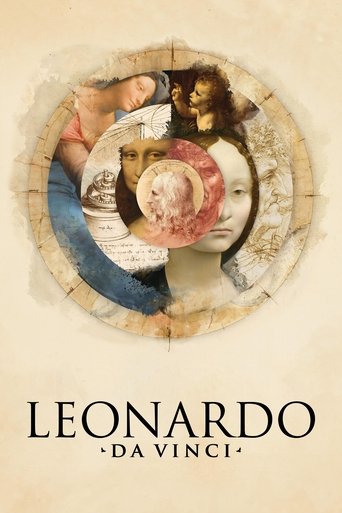
Some of the most original films on AniNami sit where art and science meet. Leonardo da Vinci, a two-part film by Ken Burns, explores the painter, engineer and scientist whose notebooks are full of flying machines and anatomical drawings. Tim's Vermeer follows the inventor Tim Jenison as he tries to discover how the Dutch master Johannes Vermeer painted his luminous pictures, building optical devices and spending years painting a single copy.
Metamorphose: M.C. Escher, 1898-1972 and Achieving the Unachievable explore the artist whose impossible staircases and endlessly repeating patterns delight mathematicians, and Dragon's World: A Fantasy Made Real is a playful mockumentary that imagines how scientists might study real dragons, using the language of a nature documentary to tell a fantasy story. A Space Program follows an artist and his team building a handmade space programme from plywood and tape.
The story of numbers
Mathematics is the language of science, and the Maths and physics shelf holds 53 titles that make it a pleasure. The Story of Maths, presented by the Oxford mathematician Marcus du Sautoy, travels from ancient Egypt and Babylon to the great unsolved problems of today in four programmes, and The Code, also with du Sautoy, reveals the mathematics hidden in nature, music and art and invited viewers to solve a real treasure-hunt puzzle.
Magic Numbers: Hannah Fry's Mysterious World of Maths asks whether mathematics is invented or discovered, The Joy of Data and The Joy of Winning show how numbers can help us understand the world and make better choices, The Joy of Logic follows the story of logical thinking, and Tails You Win: The Science of Chance explains probability with the statistician David Spiegelhalter. The Story of 1, presented by Terry Jones of Monty Python, tells the history of the number one with plenty of laughs.
Some films are portraits of great mathematicians. N is a Number: A Portrait of Paul Erdős follows the wandering Hungarian genius who collaborated with hundreds of colleagues, and Secrets of the Surface: The Mathematical Vision of Maryam Mirzakhani celebrates the first woman to win the Fields Medal, the highest honour in mathematics.
Atoms, light and quantum physics
Physics explains how everything works, from the smallest particles to the largest galaxies. Atom, presented by Jim Al-Khalili, tells the story of the discovery that everything is made of atoms, and The Secrets of Quantum Physics, Order and Disorder and Light and Dark continue his journey through energy, information and light. Particle Fever follows the physicists at the Large Hadron Collider in the years leading up to the discovery of the Higgs boson in 2012, and it is one of the most exciting science films of recent years, full of suspense and joy.
The Hunt for Dark Matter visits scientists searching for the invisible matter that holds galaxies together, The Beginning and End of the Universe recreates the experiments that revealed how the universe began, and The Atom: A Love Affair tells the story of nuclear energy through archive film and the people who lived through its history. The Creative Brain, presented by the neuroscientist David Eagleman, and The Brain That Changes Itself turn physics and biology inward to explore how our own minds work.
Earth and weather
Our own planet has plenty of drama, and the Earth and weather shelf holds 22 titles about storms, volcanoes and landscapes. Stormchasers, a giant-screen film from 1995, follows scientists flying into hurricanes and chasing tornadoes across the American plains, Wild Weather travels the world in search of the windiest, wettest and coldest places on Earth, and Forces of Nature explains volcanoes, earthquakes and tornadoes with the scientists who study them.
Hidden Volcano Abyss investigates the enormous undersea eruption near Tonga in January 2022, one of the most powerful ever recorded, and The Power of Volcanoes explores how volcanoes have shaped climate and history. Encounters at the End of the World, by Werner Herzog, visits the scientists who live and work at the research stations of Antarctica, and it was nominated for an Academy Award. Underwater Iceland dives into the geysers and lava fields beneath the surface of the island.
Some films simply invite viewers to look. Blue Planet, a giant-screen film from 1990, shows the Earth from the space shuttle, TimeScapes captures the landscapes and night skies of the American Southwest in time-lapse, Cielo gazes at the extraordinary night skies above the Atacama Desert in Chile, and New Zealand from Above flies over the mountains, coasts and cities of New Zealand. The City Dark asks what we lose when city lights hide the stars, and why so many people are working to protect dark skies.
Giant-screen science
Giant-screen films, made for IMAX theatres in science museums, are a special treasure of the catalogue. They are short, usually about forty minutes, and many were filmed by astronauts using enormous cameras that captured the Earth and space in astonishing detail. Alongside The Dream Is Alive, Destiny in Space, Mission to Mir, Space Station 3D and A Beautiful Planet, the shelf includes Journey to Space, a sweeping overview of human spaceflight and its future, narrated by Patrick Stewart, and Cosmic Voyage.
Because they are short and visually stunning, giant-screen films are perfect for younger viewers and for a large television. A space station film followed by Roving Mars makes a wonderful double bill, and Encounter in the Third Dimension, a playful history of 3D cinema, is a fun extra for film fans.
Long-running series
Some of the most valuable titles on AniNami are long series that can be enjoyed for months. Horizon, the BBC's flagship science series, has been on the air since 1964, and its more than a thousand programmes cover everything from medicine and mathematics to space and archaeology. Newton's Apple, an American series for young viewers that ran on PBS from 1983, answered questions sent in by viewers with experiments in the studio.
MythBusters, Modern Marvels, How the Universe Works, Extreme Engineering and Impossible Engineering each ran for many seasons, and Through the Wormhole and Lost Treasures of Egypt are ideal for older children and adults. Every series page lists the full run of seasons and episodes, so a family can work through a series at its own pace and always know where it left off.
Women in space and science
Several films celebrate women who changed the story of science. Mercury 13 tells the story of thirteen skilled women pilots who passed the same tests as the first American astronauts in 1961, Woman in Motion follows Nichelle Nichols, the actress who played Uhura in Star Trek, as she helps NASA recruit a new generation of astronauts, including women and people of colour, and Sally tells the life story of Sally Ride, the first American woman in space.
Secrets of the Surface: The Mathematical Vision of Maryam Mirzakhani celebrates a brilliant mathematician, and the presenters Hannah Fry, Joann Fletcher and Alice Roberts lead several of the catalogue's most popular programmes. These films are inspiring viewing for young people who dream of a career in science.
Explorers and adventurers
Science is also an adventure. Becoming Cousteau tells the story of Jacques-Yves Cousteau, the ocean explorer, inventor and filmmaker who helped create the aqualung and brought the underwater world to television, and expeditions appear throughout the catalogue, from the Arctic test drives of Passage to Mars to the airship flights of The White Diamond. Baikonur, Earth visits the famous launch site in the steppes of Kazakhstan, and Last Exit: Space travels to places around the world where people are preparing for life beyond the Earth.
Science for every age
Science documentaries suit almost every age, and some are especially good for particular stages. For younger children, the giant-screen films such as A Beautiful Planet, Space Station 3D and Roving Mars are short, bright and full of wonder, Mars and Beyond and Our Mr. Sun are playful classics with cartoons, and Dragon's World: A Fantasy Made Real is an imaginative treat for dragon lovers.
Children from about eight to thirteen are the perfect audience for MythBusters, The Secret Life of Machines, Newton's Apple, Good Night Oppy and The Mars Generation, and for the Brian Cox series, which are full of spectacular locations. Teenagers studying science will find The Story of Maths, Atom, Particle Fever, A Brief History of Time and Black Holes: The Edge of All We Know both inspiring and useful, and grown-ups will enjoy the long series and the portraits of scientists.
A few titles describe dangerous moments in the history of exploration, such as the near-disaster of Apollo 13, and they are best watched together. Every title page lists the genres and running time, and the official services show age ratings and offer kids profiles.
Planning a science night
A science documentary is a wonderful way to spend an evening together, and a little planning turns it into an event. For a Moon night, start with Chasing the Moon or Armstrong, then step outside to look at the Moon itself, or follow Wonders of the Moon with a pair of binoculars. For a Mars night, pair Roving Mars with Good Night Oppy, and keep tissues nearby for the ending.
A family engineering weekend could begin with an episode of MythBusters and end with a homemade experiment, such as building a paper bridge or a balloon rocket, and an ancient Egypt night could combine Pyramid with an episode of Lost Treasures of Egypt and a map of the Nile. For older children, a maths evening with The Code or Magic Numbers: Hannah Fry's Mysterious World of Maths can turn into a puzzle competition.
Many families keep a list of questions that come up during a film and look up the answers together afterwards, or plan a visit to a science museum, planetarium or observatory. Save your choices to My List, export the list to the family television, and settle in.
How Watch now works
AniNami is a guide, and every title page has a Watch now button that opens the series or film on JustWatch for the country you choose. JustWatch is a widely used service that lists where a title can be streamed on subscription, rented, bought or watched free with advertising. The country menu covers fifteen countries, including the United States, the United Kingdom, Canada, Australia, India and much of Europe, and your choice is remembered in this browser.
Science documentaries travel between services as broadcasters renew their rights, and the JustWatch page always shows the latest options. The BBC series are often found on the services that partner with BBC Studios, the Discovery and Science Channel series on Discovery's own platform, the National Geographic series on Disney's service, the PBS series on PBS's own streaming service, and the Netflix and Apple originals on their own platforms. The older films and giant-screen titles are often available to rent or buy, or free with advertising.
The help pages
Fifteen short guides are linked from the right column, the footer and the bottom of the home page. How to watch with AniNami follows a title from the featured card to its official service, Finding a documentary gives search tips, and My List explains how to save titles and carry the list to another device.
The theme guides open the shelves one by one: The Moon and Mars, Universe and stars, Engineering and inventions, Ancient worlds, Maths and physics, Earth and weather, Brian Cox, Great presenters, Giant-screen space films and Long-running science series, each with a few recommendations.
The practical pages cover Where AniNami documentaries stream and The official AniNami site, which describes how the real address looks.
Seventy years of discovery on screen
The catalogue can be read as a timeline of discovery. In the fifties, Mars and Beyond and Our Mr. Sun imagined the space age before it began, using cartoons to explain ideas that were still on the drawing board. The sixties brought the race to the Moon, told today in Chasing the Moon, Moonwalk One and First to the Moon, and the seventies saw Carl Sagan and Orson Welles wondering about life elsewhere in Who's Out There?.
In the eighties the space shuttle opened a new chapter, captured in The Dream Is Alive, while Richard Feynman's Fun to Imagine and the BBC's The Secret Life of Machines brought physics and engineering into living rooms. The nineties brought the Hubble Space Telescope, celebrated in Destiny in Space and Hubble: Thirty Years of Discovery, and the first giant-screen voyages through the cosmos in Cosmic Voyage.
The 2000s belonged to the Mars rovers, followed in Roving Mars and Expedition Mars: Spirit & Opportunity, and to the great Saturn mission told in Kingdom of Saturn: Cassini's Epic Quest. The 2010s brought the discovery of the Higgs boson in Particle Fever, the first picture of a black hole in Black Holes: The Edge of All We Know and Brian Cox's great series. Since 2020, the James Webb Space Telescope, the Perseverance rover and the first all-civilian spaceflight have filled the newest films, from Unknown: Cosmic Time Machine to Built for Mars: The Perseverance Rover and Countdown: Inspiration4 Mission to Space.
How science documentaries are made
Making a science documentary is a challenge of its own: how do you film something too small, too far away or too long ago to see? The answer has changed over the decades. Early films such as Our Mr. Sun used animation and studio models, and the giant-screen space films trained astronauts to operate enormous IMAX cameras in orbit, so that viewers could see the Earth through their eyes.
Modern series combine filming on location with computer graphics built from real scientific data. Mars: One Day on the Red Planet stitches together satellite and rover images into a single Martian day, Alien Worlds and Search for Second Earth use effects to imagine places far beyond the reach of any camera, and Good Night Oppy uses the skills of a film-effects studio to bring a rover's journey to life. Archive films such as Chasing the Moon and Moonwalk One depend on careful restoration of old footage, and many presenters, from Brian Cox to Hannah Fry, travel to extraordinary places to make abstract ideas feel real.
The best science documentaries are also honest about uncertainty. They show scientists debating, testing and changing their minds, and they invite viewers to think for themselves. That spirit of curiosity is what AniNami hopes every visitor takes away.
Science through the year
The calendar offers plenty of excuses for a science night. The anniversary of the first Moon landing on 20 July is the perfect moment for Armstrong or Chasing the Moon, and a meteor shower or a full moon calls for Wonders of the Moon or an episode of Stargazing Live. School science fairs are a good time for MythBusters and More Than Robots, and the long winter evenings suit a series such as How the Universe Works or The Story of Maths.
When a new rover lands or a new telescope sends back its first pictures, the films about earlier missions take on new meaning, and watching Roving Mars or Hubble: Thirty Years of Discovery alongside the latest news helps children see science as a story that is still being written.
Hidden gems
Beyond the famous titles, the catalogue rewards curious viewers. Fast, Cheap & Out of Control, by Errol Morris, weaves together the stories of a lion tamer, a topiary gardener, a mole-rat expert and a robot scientist into a strange and beautiful meditation on obsession and invention. The Most Unknown sends nine scientists to visit each other's laboratories around the world, from a deep underground mine to a volcanic lake, and Chopin: The Space Concert tells how the music of Frédéric Chopin was carried into orbit aboard the space shuttle.
Ganz: How I Lost My Beetle tells the story of the engineer whose small car ideas helped inspire the Volkswagen Beetle, It's Quieter in the Twilight follows the ageing engineers who still keep the Voyager spacecraft talking to Earth from beyond the solar system, and Stargate SG-1: True Science explores the real science behind a favourite television series. For something completely different, The Force of Sound reveals how the sound designers of Star Wars created the hum of a lightsaber and the chirp of a porg.
Why science documentaries matter
Science documentaries do more than entertain. They show that knowledge is built by people, often working together across many countries and many years, and that every discovery begins with curiosity and a willingness to test ideas. Films such as Mission Control: The Unsung Heroes of Apollo, Particle Fever and Black Holes: The Edge of All We Know show the teamwork behind the headlines, while Good Night Oppy and It's Quieter in the Twilight show how much people come to care about the machines they build.
For children, a good documentary can be the spark that starts a lifelong interest. Many of today's astronauts, engineers and scientists remember a particular programme that first made them wonder, and AniNami hopes to help the next generation find theirs.
Happy viewing
Space, science and discovery documentaries are among the most generous films ever made: years of work by scientists, engineers, explorers and filmmakers, gathered into a few hours of wonder that anyone can enjoy. AniNami brings 217 of them together in one place, with a page for each and a button that leads to the official services, so the next journey to the Moon, to Mars or to the edge of the universe is only a few clicks away. Choose a title, gather the family and enjoy the view.
Questions
What is AniNami?
AniNami is a guide to 217 space, science and discovery documentaries, series and films made between 1956 and 2026, with a Watch now button that opens each title on JustWatch for your country.
What kinds of documentaries are included?
The Moon and Mars, the universe and the stars, engineering and inventions, ancient worlds, maths and physics, Earth and weather, and the great presenters from Brian Cox to Stephen Hawking.
Is this an anime site?
AniNami keeps the look of the anime app it is named after, and its catalogue is made of real-world science documentaries chosen for curious families.
How does Watch now work?
Choose your country and press Watch now. JustWatch opens with the subscription, rental, purchase and free services that carry the title where you live.
Are the documentaries suitable for children?
The catalogue is chosen by hand for family viewing, and the guides point out the best titles for younger viewers.
Which Brian Cox series are here?
Wonders of the Solar System, Wonders of the Universe, Human Universe, Stargazing Live, The Planets, Universe and Solar System, plus his Seven Days on Mars special.
What is My List?
My List keeps the titles you plan to watch in your browser. You can export it to a small file and import it on another device.
Where do the posters and details come from?
Posters, running times, episode lists and production details come from TMDB. The guides and help pages are written for AniNami.
Which titles should I start with?
Good Night Oppy, Wonders of the Solar System, MythBusters, Chasing the Moon and The Story of Maths make a wonderful first selection.
Does AniNami host the documentaries?
AniNami is a guide. Watch now leads to the official services that carry each title in your country.